Guests of CppCast
Want to be a guest on CppCast? Email us at feedback@cppcast.com.

Olivier Giroux
Olivier Giroux has worked on eight GPU and four SM architecture generations released by NVIDIA. Lately, he works to clarify the forms and semantics of valid GPU programs, present and future. He was the programming model lead for the new NVIDIA Volta architecture. He is a member of WG21, the ISO C++ committee, and is a passionate contributor to C++’s forward progress guarantees and memory model.

Ondřej Čertík
Ondřej Čertík is a scientist at Los Alamos National Laboratory. Originally from the Czech Republic, his background is computational physics and high performance computing. In addition, he has been actively involved in open source, he is the original author of SymPy, SymEngine, LFortran and a co-founder of the fortran-lang organization. His current mission is to rejuvenate Fortran, a language for high performance numerical computing. He likes and uses C++ as a great tool that allows him to deliver robust, very fast libraries and applications, including SymEngine and the LFortran compiler.

Pablo Santos
Prior to entering start-up mode to launch Plastic SCM back in 2005, Pablo worked as R&D engineer in fleet control software development (GMV, Spain) and later digital television software stack (Sony, Belgium). Then he moved to a project management position (GCC, Spain) leading the evolution of an ERP software package for industrial companies. During these years he became an expert in version control and software configuration management working as a consultant and participating in several events as a speaker. Pablo founded Codice Software in 2005 and since then is focused on his role as chief engineer designing and developing Plastic SCM and SemanticMerge among other SCM products.

Patrice Roy
Patrice Roy has been playing with C++, either professionally, for pleasure or (most of the time) both for over 30 years. After a few years doing R&D and working on military flight simulators, he moved on to academics and has been teaching computer science since 1998. Since 2005, he’s been involved more specifically in helping graduate students and professionals from the fields of real-time systems and game programming develop the skills they need to face today’s challenges. The rapid evolution of C++ in recent years has made his job even more enjoyable.
He’s been a participating member in the ISO C++ Standards Committee since late 2014 and has been involved with the ISO Programming Language Vulnerabilities since late 2015. He has five kids, and his wife ensures their house is home to a continuously changing number of cats, dogs and other animals.
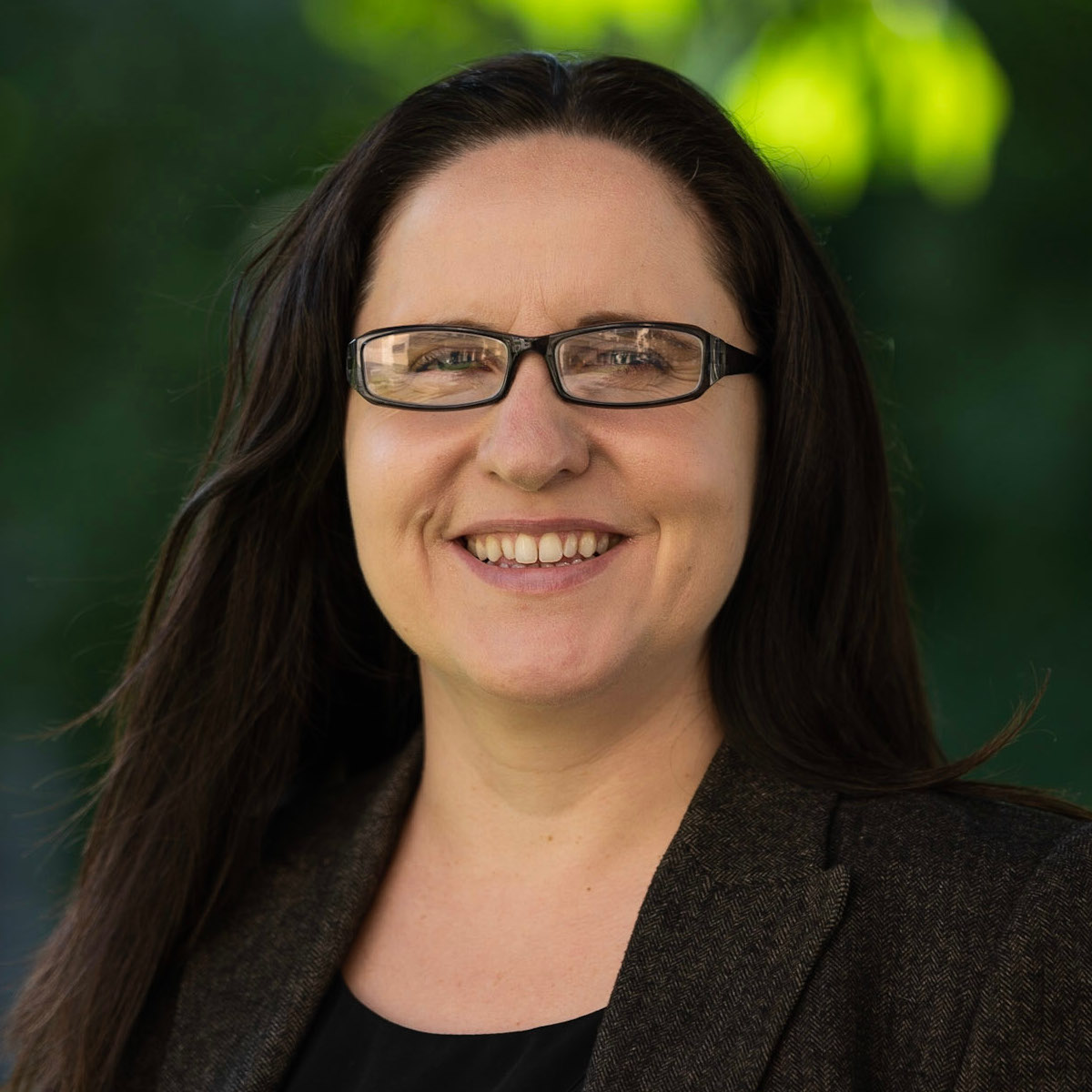
Patricia Aas
Patricia Aas has spoken at conferences on subjects ranging from Sandboxing in Chromium to Vulnerabilities in C++. She has a masters degree in Computer Science and 15 years professional experience as a programmer, most of that time programming in C++. During that time she has worked in codebases with a high focus on security: two browsers (Opera and Vivaldi) and embedded Cisco telepresence systems. Currently she works as a trainer and consultant for the company TurtleSec, which she co-founded, which specializes in the intersection of programming and security. As a side project she is trying to make an open source browser called TurtleBrowser.
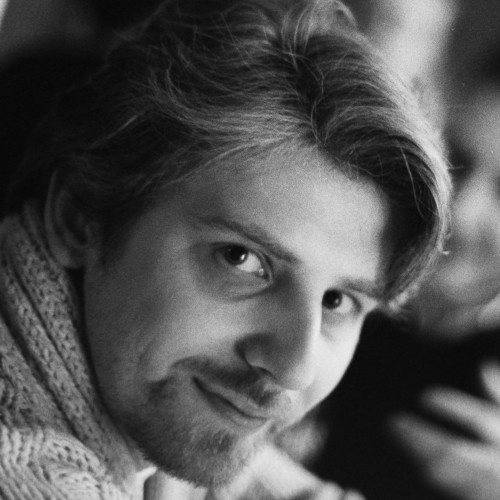
Patryk Obara
Patryk Obara is Poland-based polyglot programmer. During his 13 years of professional experience he worked on various C++-based projects, like: Opera browser, middleware software for Nokia networking products, and recently on VoIP software products for Metaswitch/Microsoft. He’s also a maintainer of several open-source projects and drive-by contributor to many more. Aside from C++ he enjoys programming in C, Rust, Python OCaml, and even weirder languages like e.g. Prolog.
Paul Fultz II
Paul Fultz II has developed in C++ professionally and personally in a variety of fields including DSP, web development, and desktop applications. He has developed in other languages as well such as Java, C#, Python, and Javascript but focuses most of his attention on C++ which combines correctness, expressiveness, and performance together.