Latest Episode
Carbon, with Richard Smith
Posted on Friday, Mar 3, 2023
Richard Smith joins Timur and Phil. After the usual news round-up, we chat with Richard about the new C++ successor language, Carbon. Richard is one of the three lead contributors to Carbon and he discusses the philosophy and some of the special features that make Carbon different.
Unit Testing
Posted on Thursday, Sep 3, 2020
Rob and Jason are joined by Oleg Rabaev. They first discuss some papers from the latest ISO mailing and a new feature in Microsoft’s vcperf tool. Then they talk to Oleg Rabaev about Unit Testing methodologies and why it’s important to write testable code.
Cross Platform Mobile Telephony
Posted on Thursday, Aug 27, 2020
Rob and Jason are joined by Dave Hagedorn. They first discuss a blog post from JeanHeyd Meneide on exception free containers. Then they talk to Dave Hagedorn from TextNow about his teams efforts to transition an existing iOS/Android app to using a cross platform C++ library.
STX
Posted on Thursday, Aug 20, 2020
Rob and Jason are joined by Basit Ayantunde. They first discuss a blog post on plain old data types and Visual Studio’s Address Sanitizer support. Then they talk to Basit about the STX library.
Modern C++ for Absolute Beginners
Posted on Thursday, Aug 13, 2020
Rob and Jason are joined by Slobodan Dmitrović. They first discuss a new C++ compiler from NVIDIA to compile conformant C++ code to GPUs. Then they talk to Slobodan about his book: Modern C++ for Absolute Beginners.
Go
Posted on Thursday, Aug 6, 2020
Rob and Jason are joined by Ian Lance Taylor from Google. They first discuss an announcement from Conan and a blog post about embedding files into C++ applications using string literals. Then they talk to Ian Lance Taylor about the Go programming language.
Visual Effects
Posted on Thursday, Jul 30, 2020
Rob and Jason are joined by Josh Filstrup from Netflix. They first discuss an update to wxWidgets and a bug fix update in GCC. Then they talk to Josh about his background in Programming Languages and how he transitioned to work in the Visual Effects industry, including his current job at the studio engineering group at Netflix.
TensorFlow
Posted on Thursday, Jul 23, 2020
Rob and Jason are joined by Andrew Selle from Google. They first discuss Ranges support being added to Visual Studio, and Compiler Explorer’s support for using some libraries. Then they talk to Andrew Selle from Google about Machine Learning with Tensorflow and Tensorflow Lite which he was one of the initial architects for.
Sponsors


Hosts

Timur Doumler
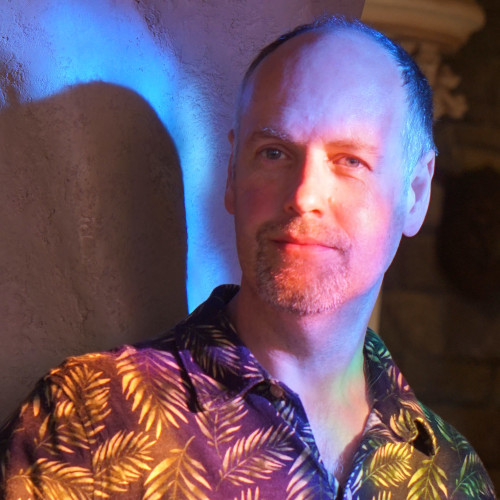
Phil Nash